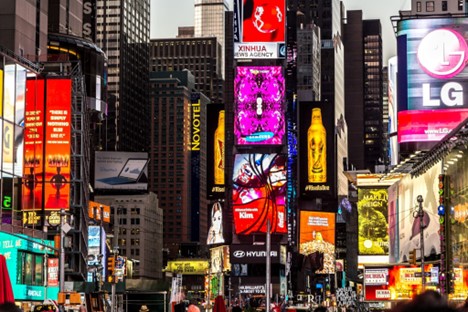
Advertising is everywhere, yet most people rarely stop to consider how many forms it truly takes or why certain methods feel more impactful than others. In today’s marketing ecosystem, the phrase types of advertising doesn’t just refer to a list of mediums; it’s about how messages move through space and time, reaching audiences in ways that make them pause, engage, and sometimes act.
From traditional print to cutting-edge digital campaigns, each approach carries its own rhythm, audience expectations, and measurable benefits. When combined thoughtfully, even airport campaigns—the epitome of best rated digital airport advertising can blend seamlessly into broader strategies to reach travelers in high-intent, high-attention moments.
1. Traditional Print/Broadcast Advertising
These types of advertising remain surprisingly powerful, especially when executed with attention to timing and placement. It may feel old-school, but in crowded digital landscapes, printed materials and broadcast media still anchor credibility and create tangible touchpoints.
Print Media
• Newspapers, magazines, brochures, and flyers allow brands to physically reach readers, often when they have a quiet moment to absorb information.
• Travelers waiting in airport lounges or commuters in transit may notice these printed ads more than online pop-ups, which they often ignore.
• For authors or small businesses, including book snippets, visuals, or promotional codes in printed materials reinforces trust while sparking curiosity.
Broadcast Media
• Television and radio ads in airports or in-flight channels capture attention when passengers are seated or waiting.
• Even short commercial bursts can leave lasting impressions when paired with consistent branding across digital platforms.
• For example, a short author interview or a book trailer on an airport TV display often leads travelers to search online or download an e-book after landing.
2. Digital Advertising
Digital advertising has revolutionized marketing because of its precision and real-time adaptability. In airport contexts, it becomes even more interesting because travelers can engage instantly with devices, apps, and Wi-Fi networks.
Online Search (PPC) Campaigns
• Ads on Google or Bing can be geo-targeted to airports or surrounding zones, appearing for travelers searching for books, guides, or travel entertainment.
• The immediacy of search advertising allows businesses to reach highly motivated audiences exactly when they need recommendations.
Social Media Ads
• Platforms like Facebook, Instagram, and TikTok enable precise targeting, showing ads to travelers by location, behavior, and preferences.
• For authors, short video teasers or carousel posts can grab attention mid-commute or while waiting at boarding gates.
Display & Video Advertising
• Google Display Ads and banner ads on airport Wi-Fi networks provide consistent, passive exposure to travelers.
• YouTube or streaming service ads can complement these, showing book trailers or brand campaigns while audiences scroll for entertainment.
Email & Mobile Alerts
• Personalized notifications delivered to mobile devices or email inboxes during airport waiting periods can prompt immediate engagement.
• Frequent travelers may respond to offers, previews, or exclusive downloads, bridging physical presence with digital interaction.
3. Out-of-Home (OOH) / Outdoor Advertising
These types of advertising, OOH advertising in airports ranging from billboards to transit ads is one of the most visible and immersive forms of marketing. It is particularly effective when travelers have dwell time and are naturally moving through high-traffic areas.
Billboards & Large Displays
• Eye-catching visuals and bold messages in terminals maximize exposure.
• Perfect for book covers, product launches, or service promotions.
• Can integrate QR codes or short URLs for direct action.
Transit & Taxi Advertising
• Ads on airport shuttles, taxis, and connecting trains ensure repeated visibility throughout the passenger journey.
• Constant exposure during transit reinforces brand recall, especially for first-time travelers encountering the ad multiple times.
Bus Stop & Railway Ads
• Strategic placements outside the airport, at bus stops, or train stations provide extended engagement.
• Particularly effective for campaigns targeting regional audiences or pre-booked travelers.
4. Direct Marketing
Catalogs & Postcards
• Distributed in lounges, VIP waiting areas, or check-in zones.
• Often paired with digital components, like QR codes or app links, creating a multi-channel experience.
Brochures & Newspapers
• Delivered directly to travelers or placed in business centers and cafes.
• For authors, including a sample chapter, book preview, or special offer can spark engagement that extends beyond the airport experience.
Combining Airport and Digital Advertising
Blending offline and digital campaigns maximizes exposure. A large airport billboard directing travelers to a social media landing page, combined with geo-targeted mobile ads and email alerts, ensures continuous engagement. This approach leverages the best rated digital airport advertising platforms to create a seamless loop between real-world visibility and measurable online interactions, boosting brand recall and purchase intent simultaneously.
• High dwell time encourages absorption and curiosity
• Multiple touchpoints reinforce brand recall
• Less cluttered environment compared to crowded digital platforms
• Works best when integrated with online and mobile campaigns
• Enables measurable results through QR codes, analytics, or geo-targeted follow-ups
How to Choose the Right Type of Advertising
Selecting among these types of advertising depends on your objectives, budget, and audience behavior. Digital-first brands may favor online search and social campaigns, whereas publishers or authors seeking high engagement might integrate OOH displays or direct marketing for tactile presence. Airport advertising bridges this gap perfectly, offering exposure to both local and international audiences in one strategic space.
• Define the audience and dwell points first
• Match the campaign format with the attention span of travelersl
• Measure ROI via digital follow-ups linked to physical displays
• Combine multiple advertising forms for maximum engagement
Conclusion
Understanding the types of advertising is crucial for businesses and authors aiming to make a meaningful impact. Traditional print, broadcast, digital, OOH, and direct marketing each provide unique advantages that complement one another. Strategically using airport advertising ensures high visibility, extended dwell time, and measurable engagement, bridging the physical and digital worlds to capture audiences when they are most receptive.